
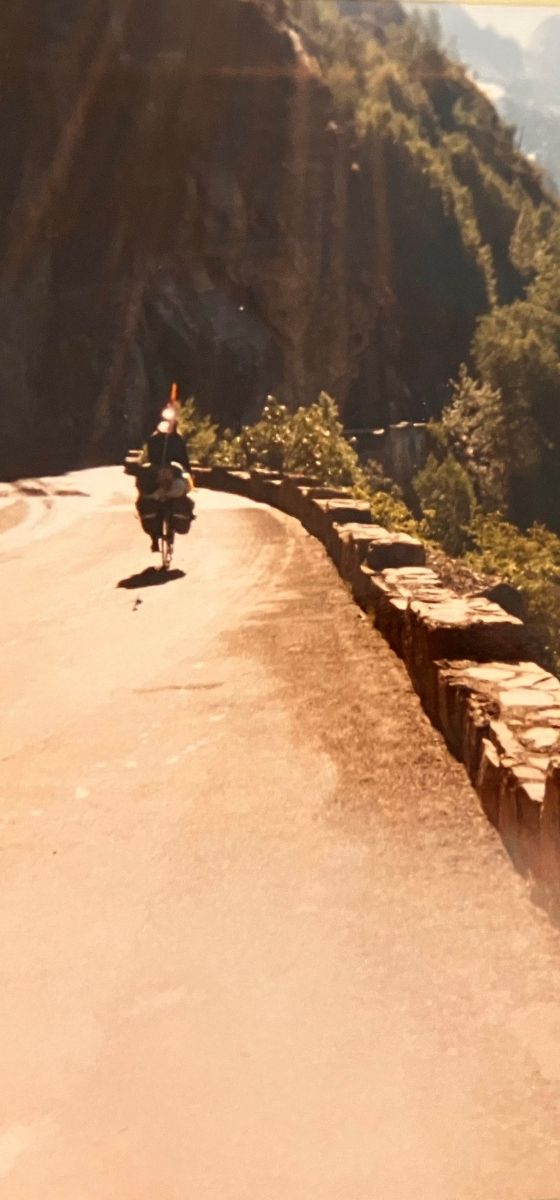
A POSTCARD I WROTE AT 16
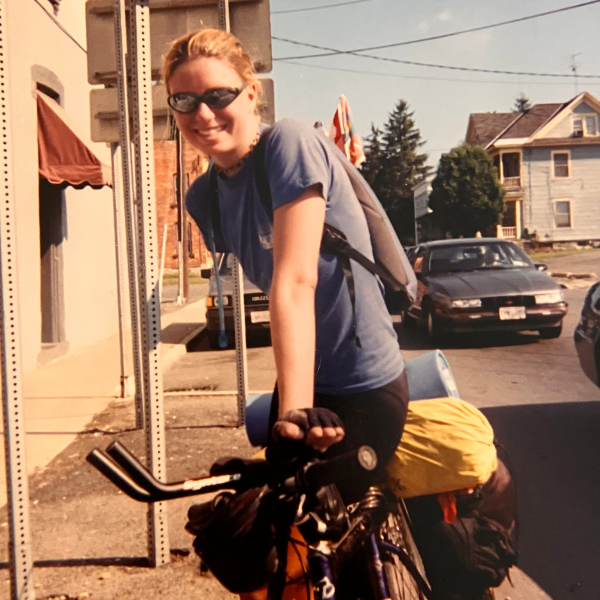
"Right now, we're in Williston, North Dakota. Yesterday we completed 117 miles! We had to make up for the horrendous headwinds. Ryan said that they were 30-40 miles per hour! When people talk about road rage, they don't know what they're talking about. I mean my knees felt like they were going to fall off! All I wanted to do was sit on the side of the road and cry. It was incredibly frustrating to bike and bike and never get any closer to the horizon. It took two hours to bike seven miles. This is a really tough trip! But I'm glad I'm doing it. I haven't showered in about a week. I'm dirty and scuzzy. My knees are swollen and sore. But when I'm through with this, I'll feel like I can do anything if I set my mind to it. Because I can! And I am!!"


Grit & Adventure Became My Way of Being in The World
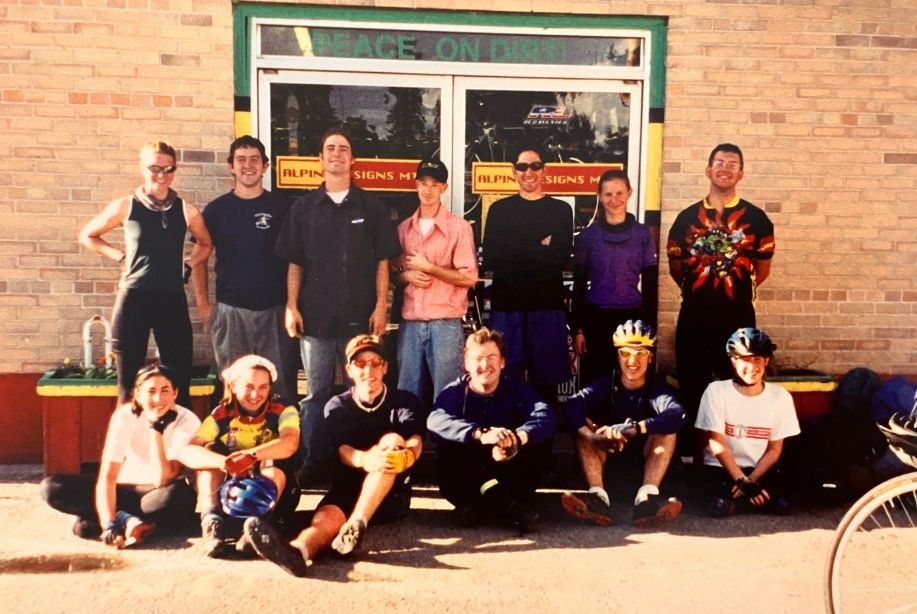
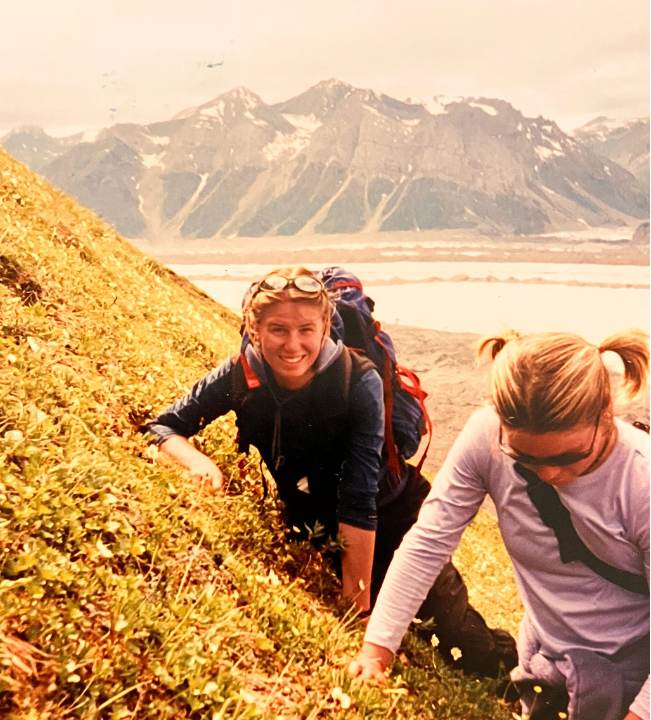
After that 3600 mile bike trip, my adventurous spirit cracked open. From ages 16 to 18, I volunteered at a boys’ orphanage in a remote area of Brazil; learned to use a blow torch in the wind while building roofs on a Hopi mesa; and helped build houses in a migrant workers’ camp in Florida. In college, as an ecology student, I conducted underwater research in Mexico and Belize, and backpacked on glaciers in the Alaskan backcountry. I also traveled to one of the poorest areas of India to study Buddhism and experience the Kalachakra Initiation with HH the Dalai Lama.
#metoo
Little Did I Know That These Trips Were Emotional Defenses
One year before my bike trek, at the age of 15, I had my first #metoo experience. I was sexually assaulted and robbed in a group attack. I told no one. Since I didn't have the tools to process that experience at the time, my adventures became an important emotional defense against feeling that pain. Here are some other emotional defenses people use when they're feeling overwhelmed:
Denial
Avoidance
Projection
Displacement
Regression
Reaction Formation
Dissociation
Sublimation
Intellectualizing
Defenses Turn You Into A Pressure Cooker
(( Eventually you blow up! ))
It All Exploded During Pandemic Isolation
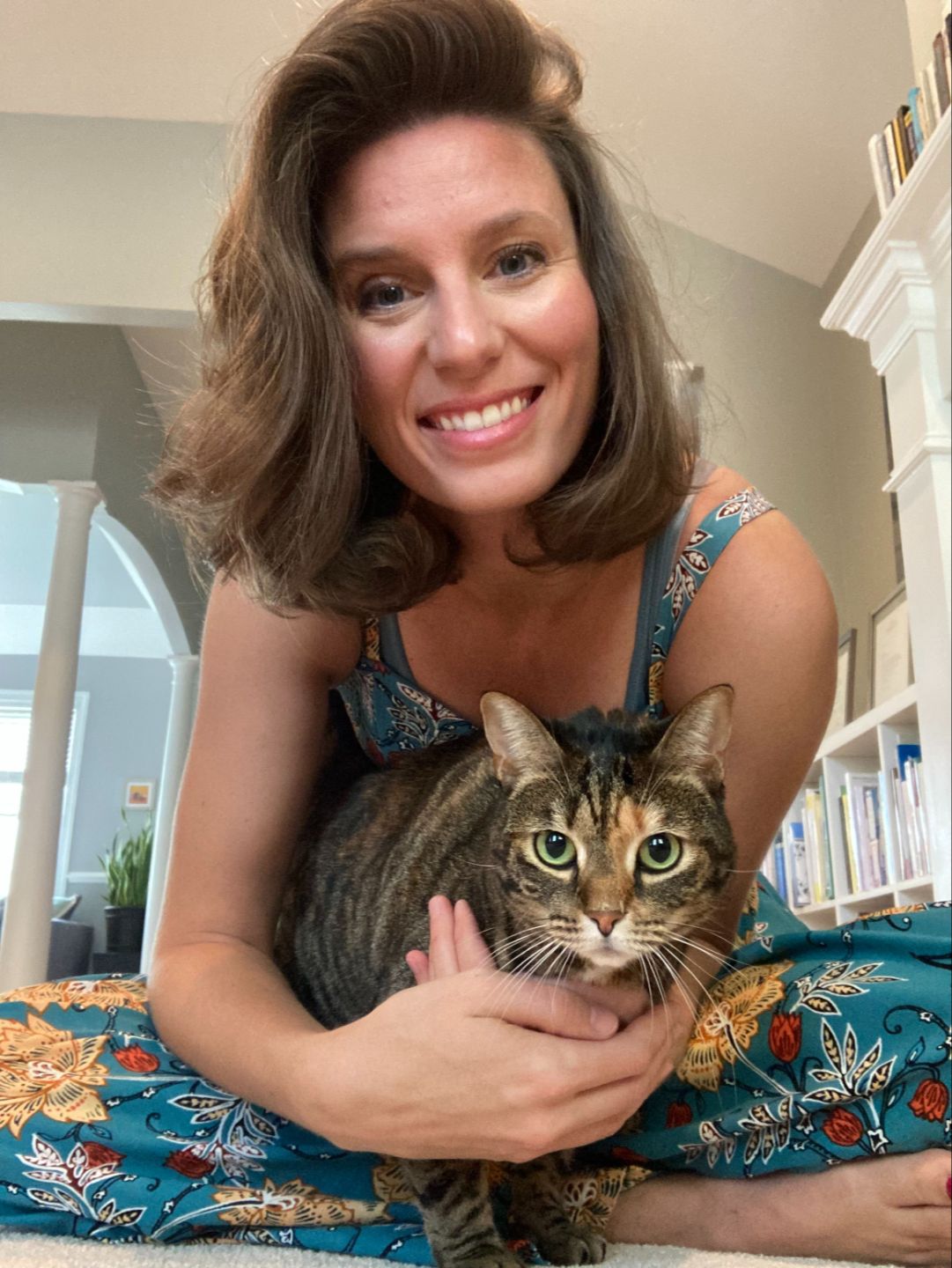
During the pandemic, I found myself starting over in a small town in North Carolina, far away from my Connecticut roots. Alone with my cat and grieving the unexpected deaths of several loved ones, I was forced to expand my emotion vocabulary and learn practical tools for soothing myself.

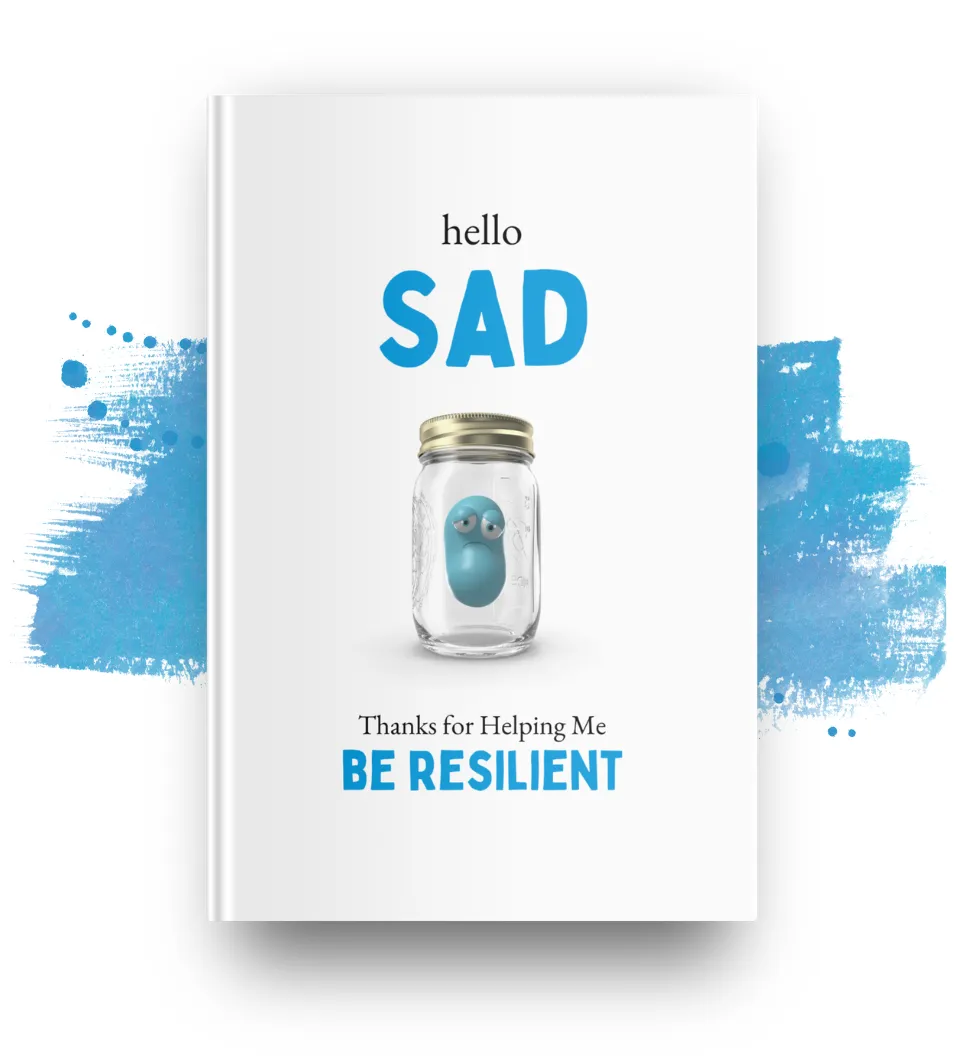
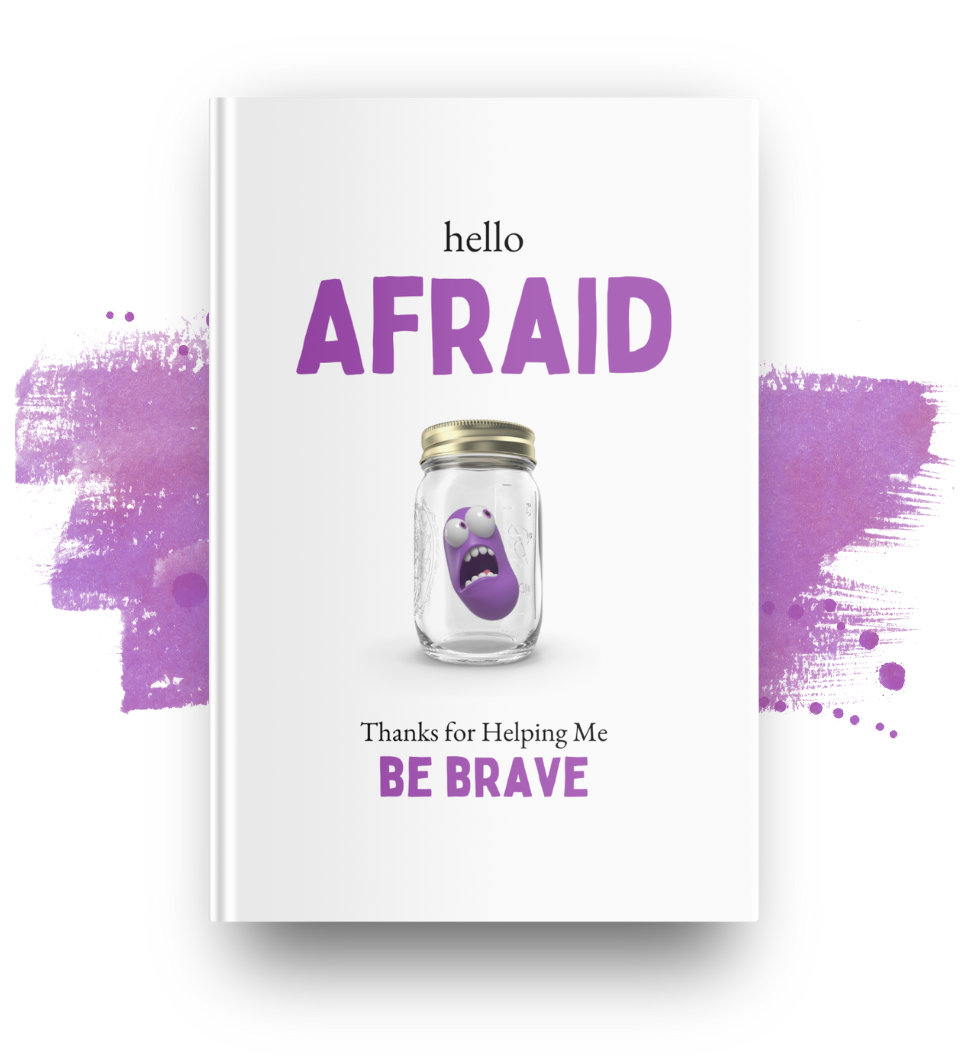
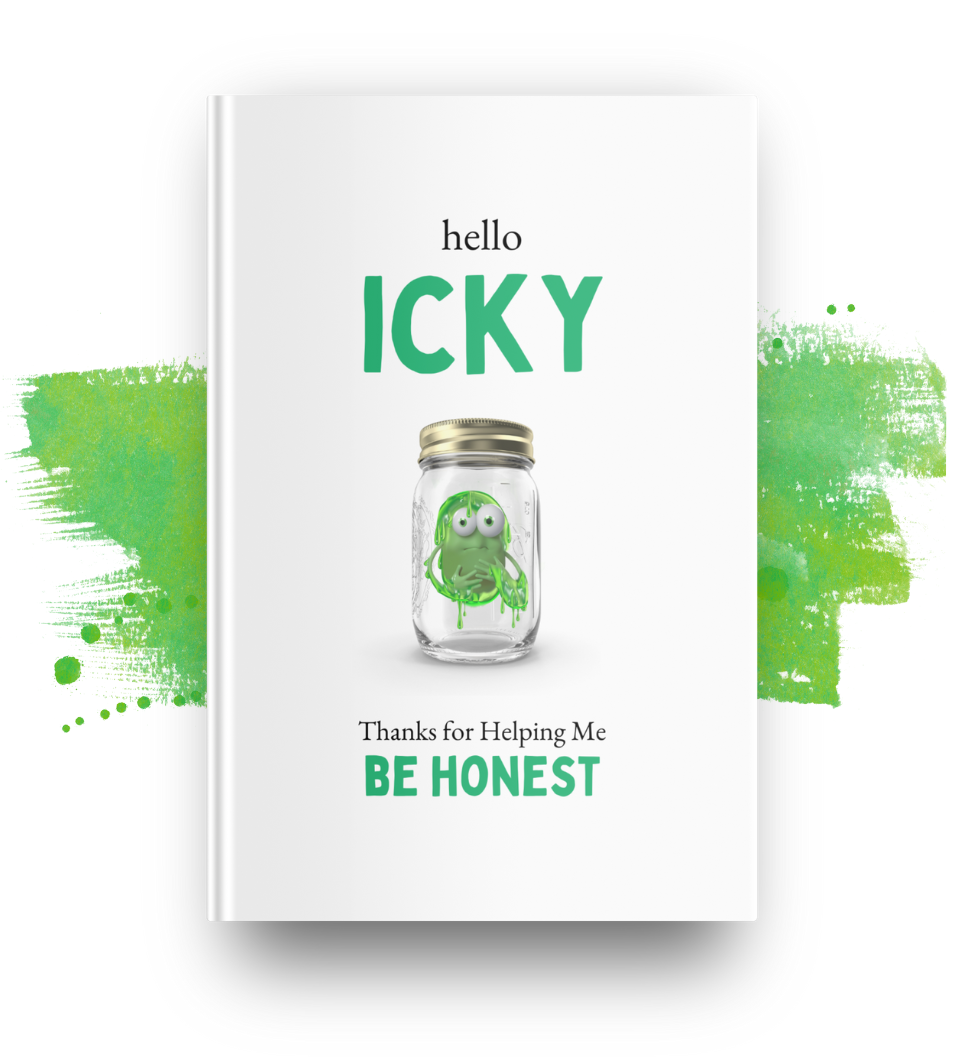

A Glimmer Practice is What Made ALL the Difference
A glimmer is the opposite of a trigger.
It's a micro-moment of gratitude, awe, or cozy-comfort which sparks a sense of safety. A glimmer won’t erase your problems, but it’ll create a tiny moment of relief, which can sometimes make all the difference.
Start A Glimmer PracticeI'd Been Collecting Glimmers for Years Without Realizing It
Back in 2011, I began asking the public to share their gratitude with me on postcards. Within a month of launching this public art campaign, I had received so many postcards that the campaign was featured on NPR… and within three years, so many people wanted to participate that I had incorporated the effort into a nonprofit called Look for the Good Project. Here's a video that was created back in 2013, before the nonprofit was established.


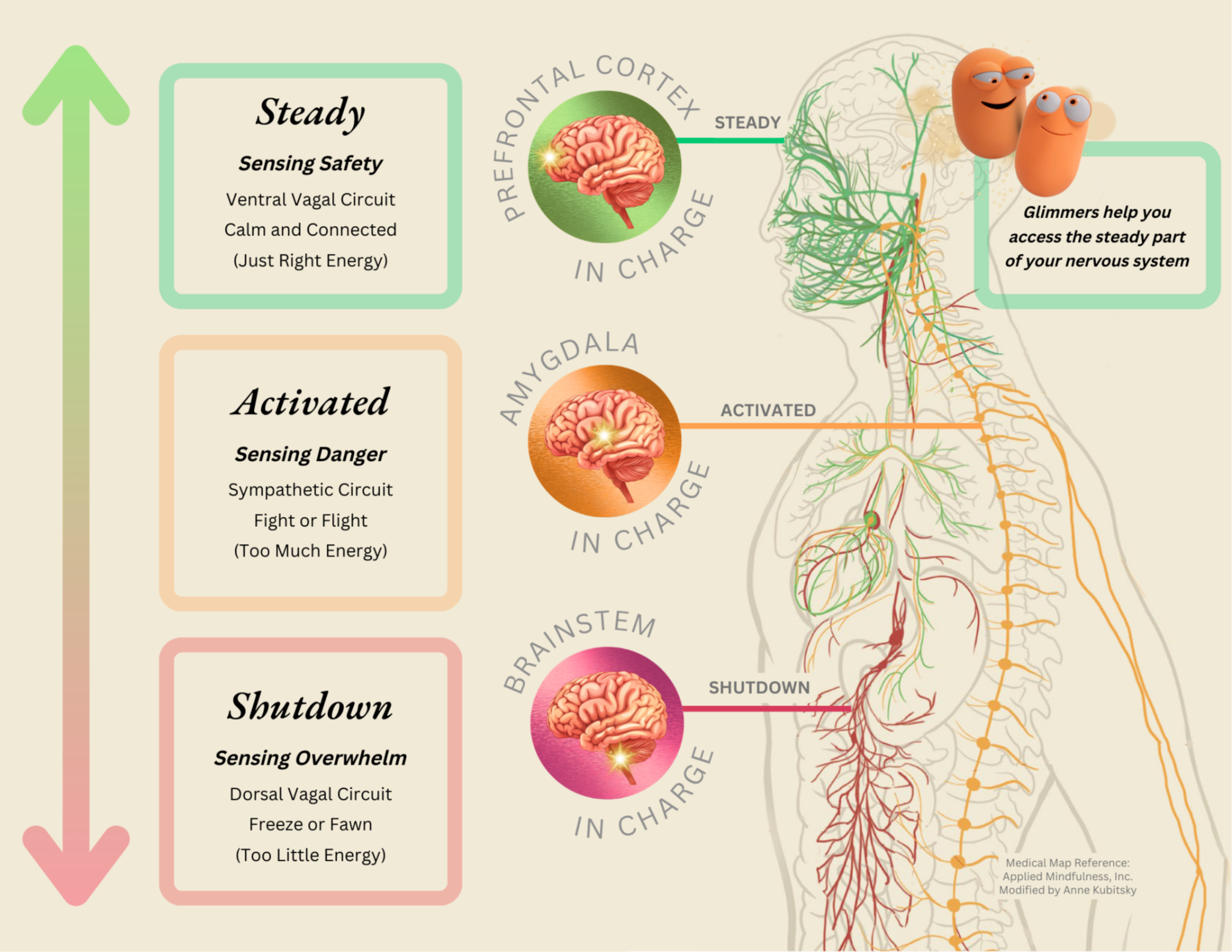
Glimmers Help You Access the Steady Part of Your Nervous System
My Glimmer Practice Gently Melted My Defenses
Years of collecting gratitude through the Look for the Good Project had quietly trained my nervous system to notice glimmers. These small signals of comfort and safety allowed my nervous system to soften. And in that softening, something important began to happen: The defenses I had built over decades slowly started to melt. In the process, I created Activate Your Strength®— a body of work designed to help people understand their nervous system, expand their emotional vocabulary, and practice simple ways to transform their stress into strength.
Activate Your Strength
